

In the United States, commercial properties are a significant investment, with the total value of commercial real estate exceeding $14 trillion. Effective management of these assets is crucial for maximizing returns and minimizing risks. This is where a commercial property management agreement comes into play.
A property management agreement is a legally binding contract between a property owner and a management company, outlining the terms and conditions for managing commercial properties. For property owners in Charlotte, North Carolina, such as those working with Clients1st Property Group, (704) 622-4865, understanding this agreement is vital for protecting their investments.
Key Takeaways
- Commercial property management agreements establish clear expectations between property owners and management companies.
- These agreements outline specific responsibilities, fee structures, and service parameters.
- Understanding the components of these agreements is crucial for property owners.
- Commercial property management agreements differ significantly from residential agreements.
- These agreements benefit property owners by delegating day-to-day operational responsibilities.
What is a Commercial Property Management Agreement?
Commercial property management agreements serve as the foundation for the relationship between property owners and managers, defining their roles and responsibilities. These agreements are designed to ensure that commercial properties, such as office buildings and retail spaces, are managed efficiently and effectively.
Definition and Purpose
A commercial property management agreement is a contract between a property owner and a property management company. The agreement outlines the terms and conditions under which the management company will operate the property, including the management of day-to-day activities, maintenance, and financial reporting. The primary purpose of this agreement is to protect the interests of both parties and ensure that the property is managed in a way that maximizes its value.
As “The National Association of Realtors” notes, a well-structured management agreement is crucial for the successful operation of commercial properties. It provides a clear understanding of the responsibilities and expectations of both the property owner and the management company.
Difference Between Commercial and Residential Agreements
Commercial property management agreements differ significantly from residential agreements in terms of their scope, complexity, and legal requirements. While residential agreements focus on individual tenant needs and living conditions, commercial agreements prioritize business continuity, tenant retention strategies, and maximizing property value for investment purposes.
- Commercial agreements involve higher financial stakes and more complex building systems that require specialized management expertise.
- The tenant screening process in commercial agreements focuses on business viability and financial stability rather than personal credit and rental history.
- Commercial agreements often include detailed provisions regarding tenant improvements, common area maintenance, and operating expense allocations.
By understanding these differences, property owners and managers can better navigate the complexities of commercial property management and ensure that their agreements are comprehensive and effective.
“A good management agreement is one that balances the needs of both the property owner and the management company, providing a clear framework for the successful operation of the property.”
Key Components of a Commercial Property Management Agreement
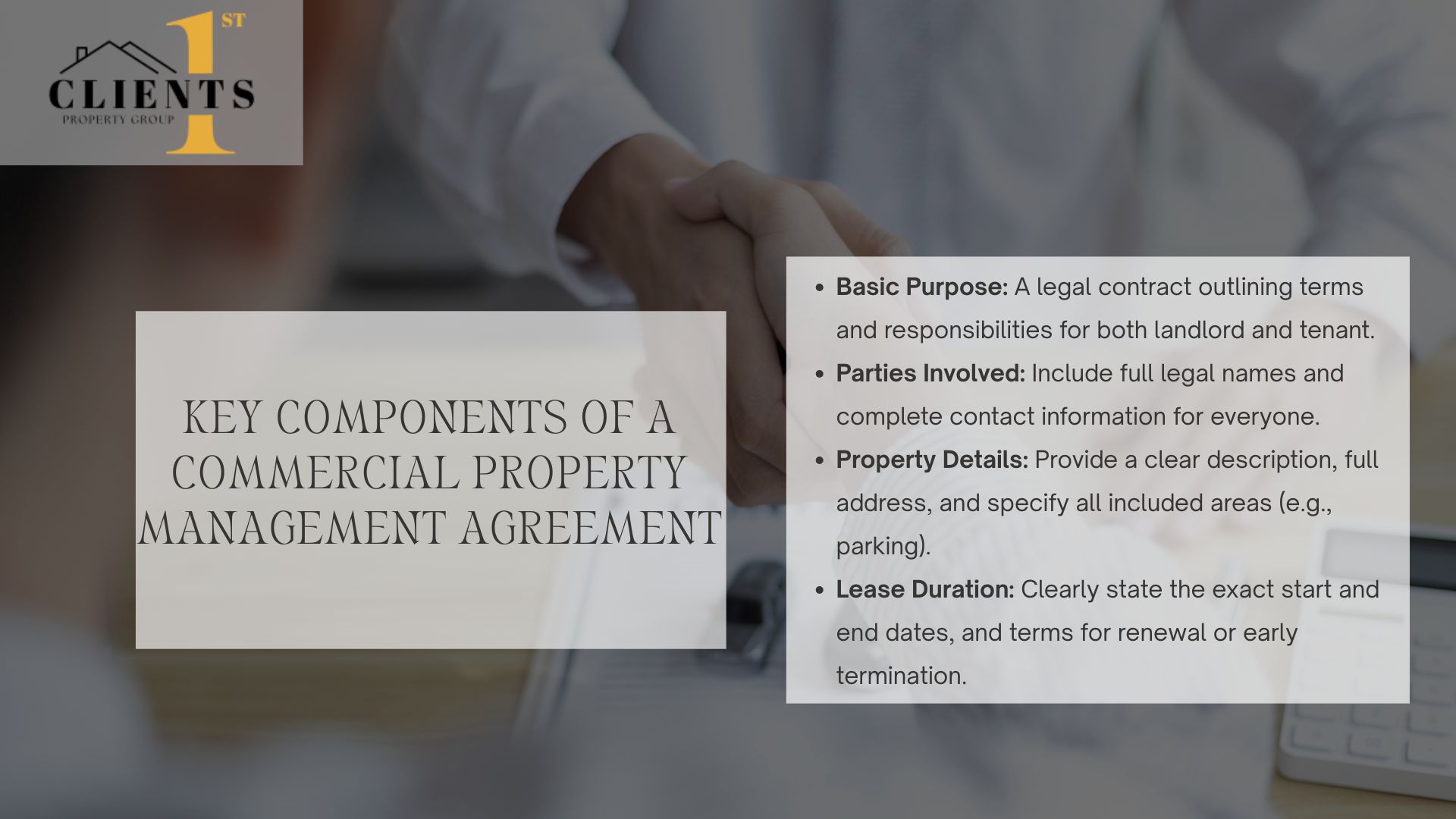
The foundation of a successful property management relationship lies in a comprehensive commercial property management agreement. This document outlines the terms, responsibilities, and expectations between property owners and managers, ensuring a smooth and profitable operation.
Parties to the Contract
A commercial property management agreement begins by identifying the parties involved in the contract. This includes the property owner’s details and the management company’s information. Clearly defining the parties helps prevent confusion and ensures that responsibilities are assigned correctly.
Property Details and Scope
The agreement must provide detailed information about the property, including its address, type, and specific characteristics. The scope of work outlines the services the management company will provide, such as rent collection, maintenance, and tenant screening. This section ensures both parties understand the extent of the management responsibilities.
Term and Duration Clauses
The term and duration clauses specify the length of the agreement and the conditions for renewal or termination. This section is crucial for planning and commitment, providing stability for both the property owner and the management company. It typically includes notice periods and any penalties for early termination.
Fee Structure and Payment Terms
The fee structure and payment terms are critical components of the agreement, outlining how the management company will be compensated. This includes the base management fee, which may be a percentage of collected rents or a flat monthly fee, as well as any additional fees for specialized services like construction management or lease negotiation.
| Fee Type | Description | Payment Schedule |
|---|---|---|
| Base Management Fee | Percentage of collected rents or flat monthly fee | Monthly |
| Additional Fees | Specialized services like construction management | As incurred |
| Lease-up Fees | Fees for securing new tenants | Upon lease signing |
Transparency in the fee structure is essential for building trust between commercial property owners and management companies. It ensures that owners understand exactly what services they’re receiving and how costs are calculated, fostering a positive and productive management relationship.
Essential Services Outlined in Management Agreements
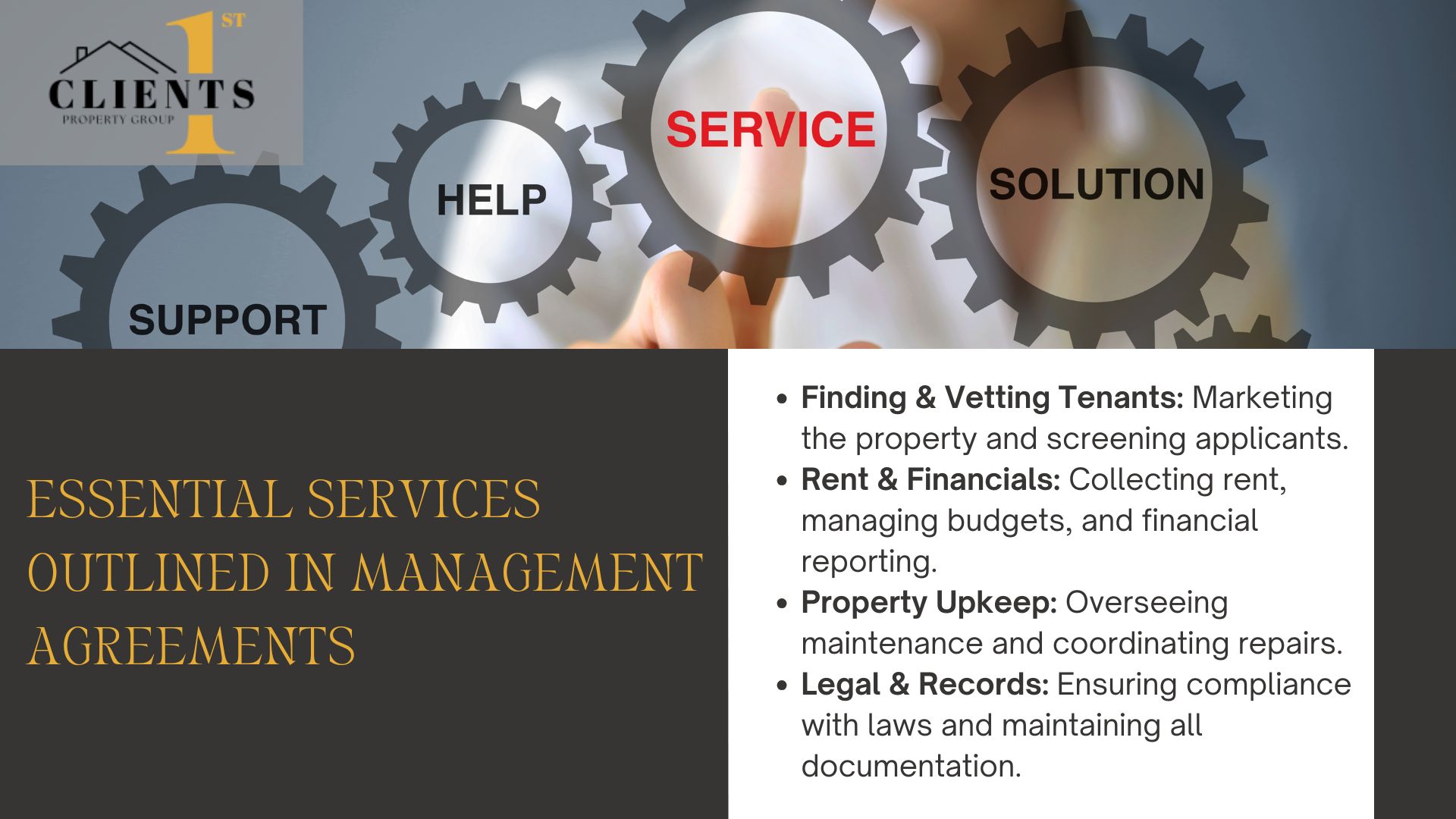
Commercial property management agreements typically include a range of services designed to optimize property performance and compliance. These services are critical for maintaining the value and profitability of commercial properties.
Tenant Acquisition and Screening
One of the primary services outlined in a commercial property management agreement is tenant acquisition and screening. This involves marketing the property to potential tenants, handling inquiries, and screening applicants to ensure they meet the required criteria. Effective tenant screening is crucial for minimizing the risk of non-payment and property damage.
Rent Collection and Financial Management
Another essential service is rent collection and financial management. Property managers are responsible for collecting rent, managing budgets, and providing financial reports to property owners. This service ensures that the property generates consistent income and that financial records are accurate and up-to-date.
| Service | Description | Benefits |
|---|---|---|
| Tenant Acquisition | Marketing the property to potential tenants | Reduces vacancy rates |
| Rent Collection | Managing rent payments and budgets | Ensures consistent income |
| Financial Reporting | Providing detailed financial reports | Enhances transparency and decision-making |
Maintenance and Repairs
Maintenance and repairs are also critical services included in commercial property management agreements. Property managers oversee routine maintenance, handle repair requests, and coordinate with vendors to ensure that the property remains in good condition. This helps to prevent costly repairs and maintain the property’s value.
Legal Compliance and Documentation
Legal compliance and documentation are vital components of property management. Property managers must ensure that the property complies with all relevant laws and regulations, including ADA requirements and environmental regulations. They are also responsible for maintaining accurate and comprehensive documentation, including lease files, vendor contracts, and compliance certifications.
By including these essential services in a commercial property management agreement, property owners can ensure that their investment is well-managed and compliant with all relevant regulations.
Responsibilities and Limitations
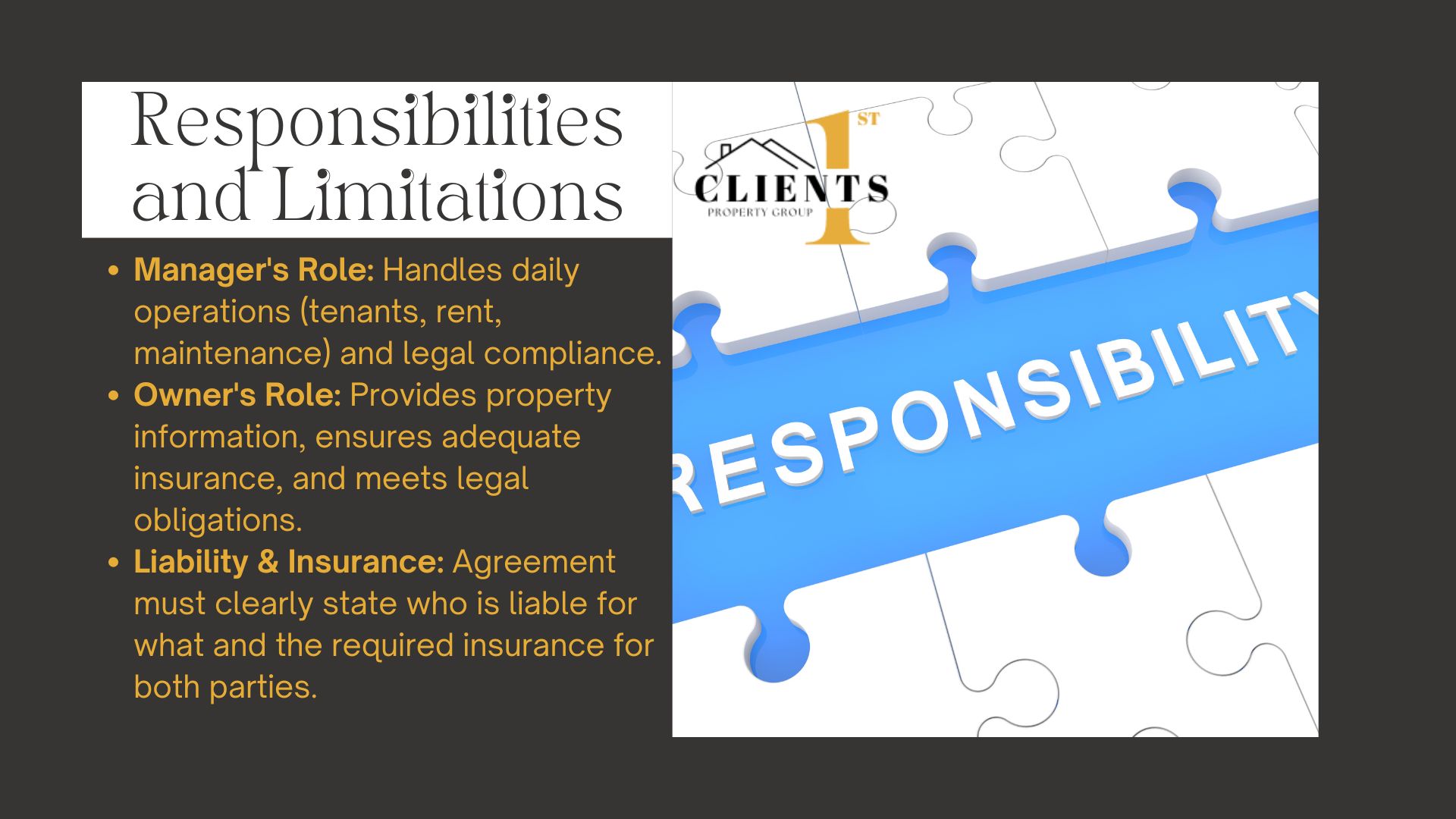
The success of a commercial property management venture hinges on clearly defined responsibilities and limitations. A well-structured commercial property management agreement ensures that both the property manager and the owner understand their roles and obligations.
Property Manager’s Duties
The property manager is responsible for the day-to-day operations of the commercial property, including tenant acquisition and screening, rent collection, and maintenance. They must also ensure legal compliance with local regulations and laws. Effective property management requires a comprehensive understanding of the property’s needs and the ability to address them proactively.
Property Owner’s Obligations
The property owner has several key obligations under a commercial property management agreement. These include providing the property manager with necessary information about the property, ensuring that the property is adequately insured, and complying with all legal requirements related to the property. The owner’s active participation is crucial for the success of the property management.
Liability and Insurance Requirements
Liability and insurance provisions are critical components of a commercial property management agreement. The agreement should clearly outline the liability of the property manager and the owner, including indemnification provisions and insurance requirements. For instance, the property management company should maintain comprehensive insurance coverage, including professional liability and general liability insurance. Working with a management company like Clients1st Property Group in Charlotte, which follows industry best practices for risk management, can provide property owners with added security.
Termination and Dispute Resolution
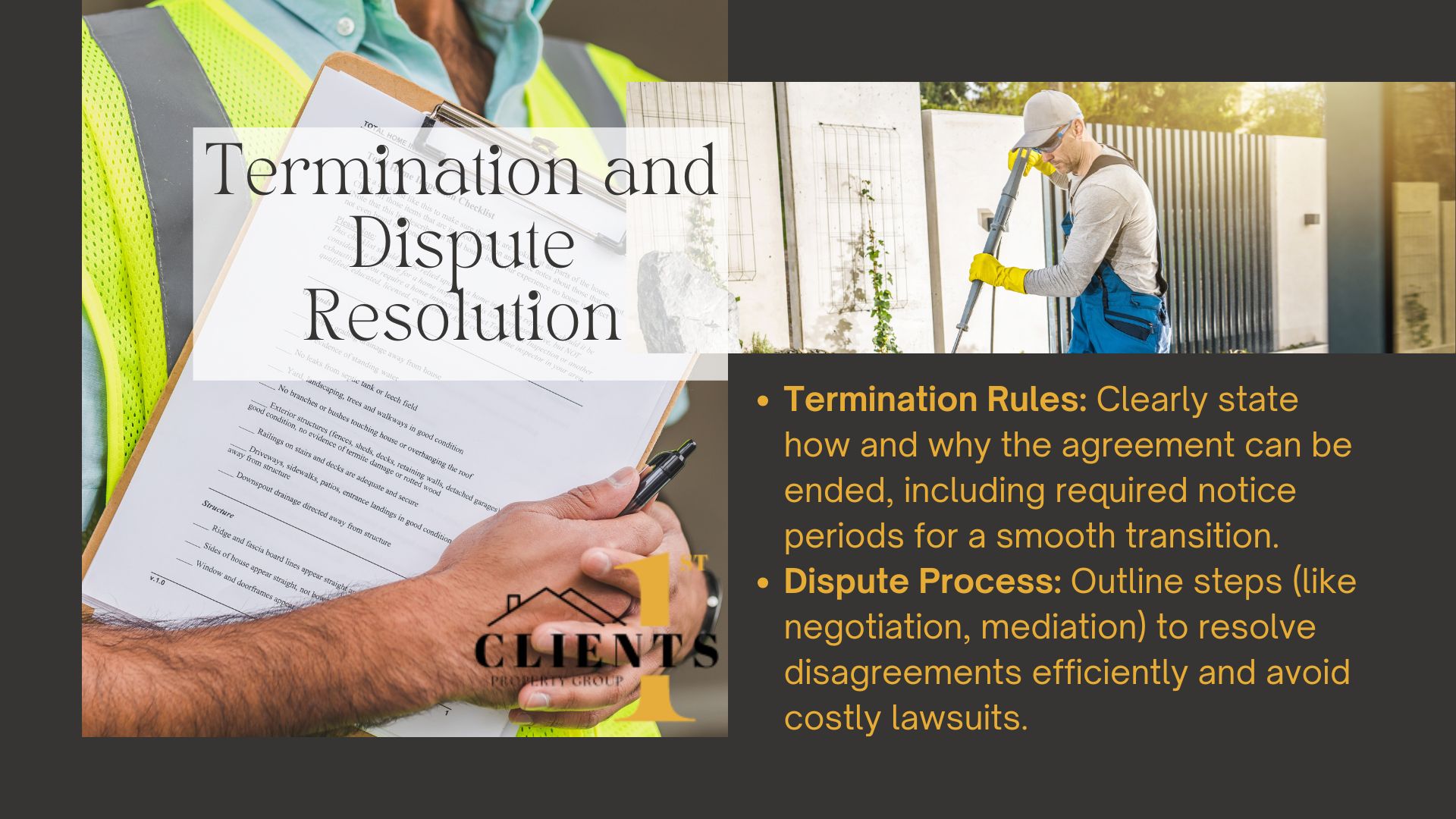
Termination and dispute resolution clauses are essential components of a comprehensive commercial property management agreement. These clauses provide a clear understanding of how to handle the termination of the agreement and resolve any disputes that may arise between the parties involved.
Termination Clauses and Notice Periods
Termination clauses outline the conditions under which either party can terminate the agreement. Typically, a notice period is specified, during which the terminating party must notify the other party of their intention to terminate. The notice period allows for a smooth transition of responsibilities and ensures that the property continues to be managed effectively.
A well-structured termination clause should also specify the circumstances under which the agreement can be terminated, such as non-payment of fees or breach of contract. By having a clear understanding of these terms, both parties can avoid potential issues that may arise during the termination process.
Handling Disputes Between Parties
Disputes can arise between the property manager and the owner due to various reasons, including disagreements over management decisions or financial matters. Effective commercial property management agreements include clear dispute resolution mechanisms to address these disagreements before they escalate into costly litigation.
- A tiered approach to dispute resolution, starting with direct negotiation, followed by mediation, and finally arbitration or litigation if necessary.
- Specifying the jurisdiction and venue for any legal proceedings, typically the location of the property or the management company’s principal place of business.
By incorporating these dispute resolution mechanisms, parties can ensure that any disputes are resolved efficiently, minimizing the impact on the property’s operation.
Benefits of Professional Commercial Property Management in Charlotte
For property owners in Charlotte, professional commercial property management is a game-changer. It not only saves time but also maximizes return on investment (ROI) through efficient management practices.
Local Market Expertise with Clients1st Property Group
Clients1st Property Group brings extensive local market expertise to commercial property management in Charlotte. Their team understands the nuances of the Charlotte market, ensuring that properties are managed according to the latest trends and regulations.
With their expertise, property owners can benefit from sophisticated rent optimization strategies that maximize rental income without lengthy vacancy periods.
Maximizing ROI on Commercial Properties
Professional commercial property management significantly increases ROI through strategic tenant selection, proactive maintenance, and efficient operational practices. By leveraging their expertise, property managers can identify opportunities for expense reduction and operational efficiencies.
The benefits include reduced tenant turnover through responsive service and strategic lease renewal negotiations, comprehensive financial management, and favorable pricing for repairs and services due to economies of scale.
How a Commercial Property Management Agreement Protects Investments
A comprehensive commercial property management agreement serves as the backbone of a successful investment strategy, providing clarity on key aspects such as rent collection and maintenance. This foundational document outlines the expectations, responsibilities, and procedures necessary for a harmonious and productive partnership between property owners and management professionals.
For property owners in Charlotte, North Carolina, a well-crafted property management agreement is essential for maximizing returns on investment while minimizing personal time commitment. By understanding the key components of these agreements, owners can make informed decisions when selecting a management partner and negotiating contract terms.
Clients1st Property Group offers professional commercial property management services tailored to the needs of Charlotte property owners. To discuss how their expertise can enhance your investment performance, contact them at (704)622-4865. With the right management agreement in place, property owners can enjoy a streamlined and profitable investment experience.